What documentary wedding photography actually means
The term is everywhere. Here is what it means for us in practice — what we do on the day, what we don't, and why some direction still belongs in a documentary approach.
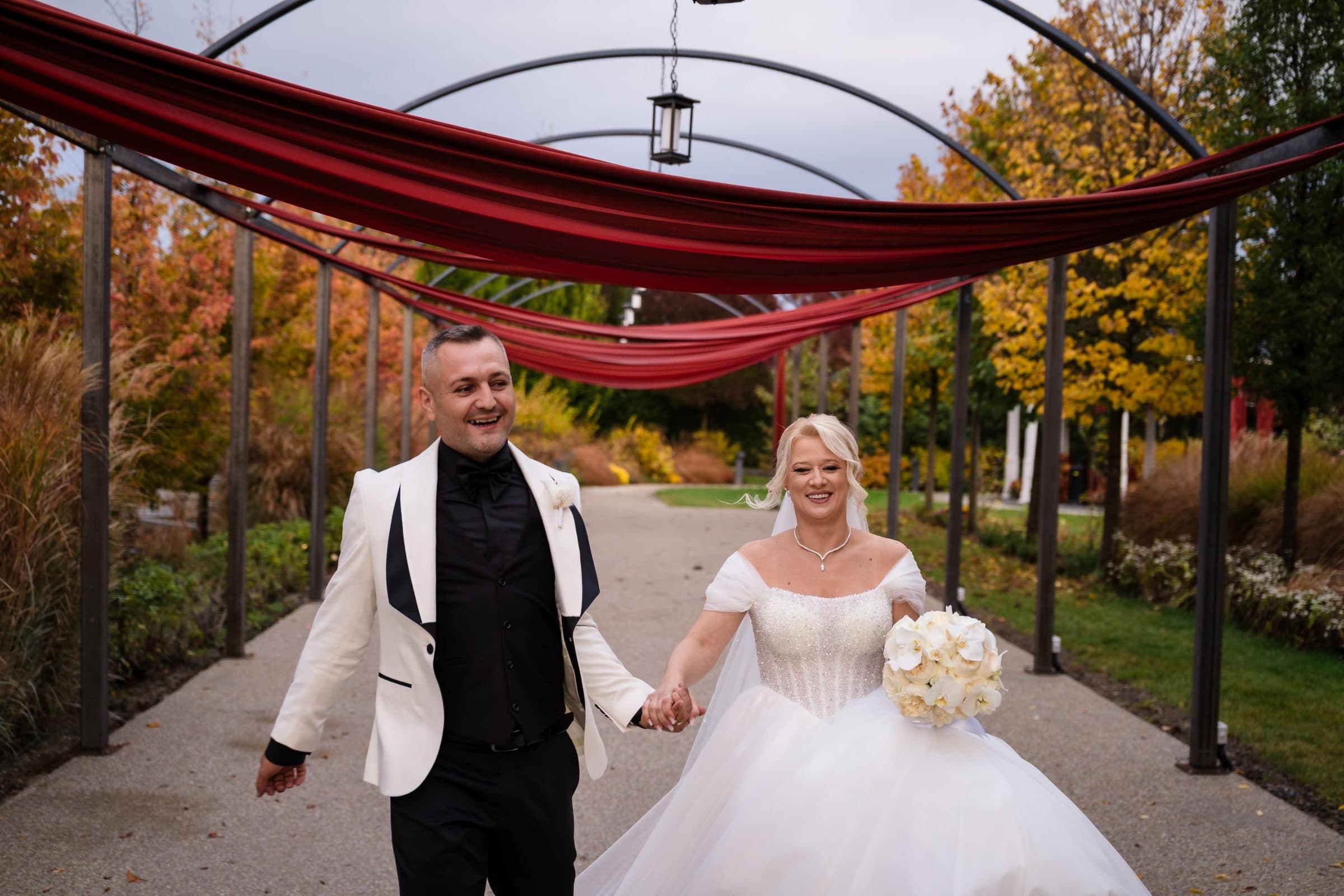
“Documentary” has become one of those words every wedding photographer uses. It deserves a plain explanation, because it describes a real difference in how a day is photographed — and in how it feels to be photographed.
Noticing instead of arranging
A documentary photographer's first job is to pay attention. We follow the people who matter to you, read the room, and position ourselves for what is about to happen rather than asking it to happen again. The photographs come from real moments, which is why they still feel true years later.
The photographs we care about most are the ones nobody asked for.
Direction, when it helps
Documentary doesn't mean passive. Family photographs need organising, or they take an hour. Portraits benefit from good light and a little guidance. If you're standing in harsh sun with a perfect wall of shade two metres away, we'll say so. The difference is that direction is brief and purposeful, and then we step back.
What it asks of you
Very little. Be with your people. Ignore us. Tell us who matters and what you'd hate to miss. The rest is our work: preparation, patience and timing.
What you get
A collection that reads like the day. Not only the bride and groom in perfect light, but the friends, the grandparents, the room, the mess and the joy — told in order, with the small moments that make it unmistakably yours.
Tell us about your day
We take a limited number of weddings each year, so each one gets proper preparation and our full attention. Share your date and plans, and we'll reply personally.
Wedding collections begin at [starting price].